TH
TH  EN
EN  FR
FR  ES
ES  JA
JA  KO
KO  PT
PT  ZH
ZH  AR
AR  FA
FA  RU
RU  NL
NL  MS
MS  VI
VI  PH
PH  ID
ID 

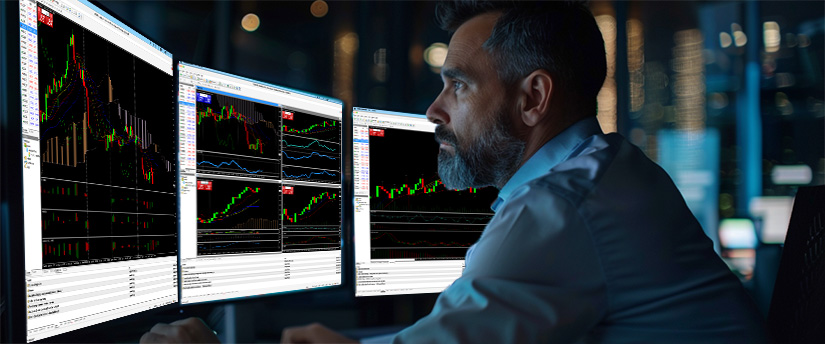
Planning sits at the core of any results-oriented trading routine. However, newer traders often waste time searching for the “perfect” strategy, believing one plan will outperform all others. In reality, success comes from building and consistently following a personal trading plan that fits individual goals, risk tolerance, and trading style.
If you’ve been trading for a while, however, you know that doesn’t work. Every trader has a different life. They work best in different parts of the day, have different schedules, different preferences, strengths, and weaknesses. It’s absurd to think that there’s one plan that could account for all those factors and still come out on top.
A smart trading plan needs to be tailored to your particular situation, needs, and preferences. The time you can spend trading, your disposable capital, risk tolerance, ability to handle tough situations, and many other things will affect the best way to structure your personal trading plan.
This article explores what you should account for when creating a plan and how you can create one that truly fits your needs.
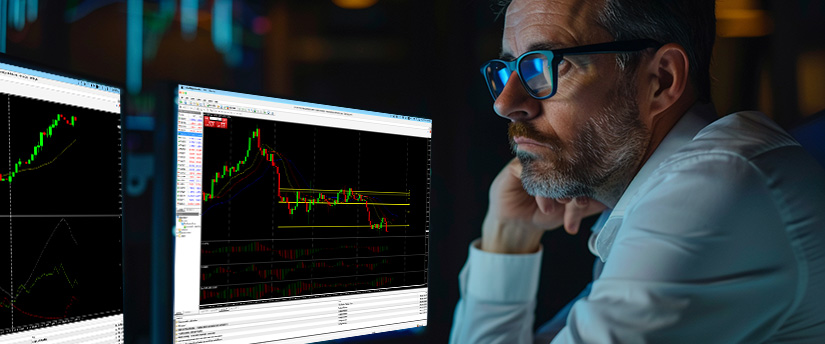
Step 1: Your personal trading plan schedule
For a plan to be viable, you need to be able to fit it into your personal schedule. Trading sessions, ideally, should come at a time when you’re usually calm, focused, และ free of distractions.
The three big questions to ask here are:
- When is the best time for me to trade?
- How long can I trade for?
- How many trading sessions do I want to have in a day?
Once you have an answer to these, it’s easy to set your trading schedule. You may go with something like: “I will trade from 6 PM to 8 PM on weekdays“, or “I will have a short 8:30 AM to 9 AM session, followed by a more extensive 7 PM to 9 PM session in the evening“.
The reason it’s important to trade around the same hours every day is that markets behave differently during the day as large institutions around the world open and close. If you always trade at the same time, you’ll normally face similar conditions every day, eliminating large fluctuations from your routine.
Also keep in mind that these hours aren’t set in stone. As you get better at trading, you’ll understand that different conditions may suit your strategy better, or that certain instruments are only available during specific hours.
In those cases, you’ll be able to shift your routine as you become more experienced to find the perfect match for your focus, strategy, และ ารเทรดกว่า 500+ รายการ.
Step 2: Create a personal trading plan and include the successful instruments
The next step in creating your personal trading plan is choosing a small number of instruments to trade. Three to five is a good number for beginner traders, as it leaves options open while not being overwhelming.
This, along with regular market timing, will let you specialise and get skilled in a particular segment of the market, which is a more effective approach than being a generalist in trading.
So, the first thing to consider, of course, are your own interests. If you’re oriented towards macroeconomics, something like commodities may suit you, or if you’re interested in speculating on specific regions, you may find forex or indices more appealing.
Of course, being aware of trading hours and what’s realistic for you to access is also necessary. Another thing to consider is diversification.
Choosing assets that react to different market events can help you remain flexible, letting you avoid unfavourable circumstances. So, a trader who trades silver, EUR/USD, และ Netflix shares, for instance, has a lot more room to navigate than someone who trades three major pairs.
Step 3: The information you ingest into a personal trading plan
The information you take in (and equally important, the information you don’t) is an often-neglected but vital part of your plan. Here, you should also decide on your primary analysis type.
Regardless of the type you choose, you should always check an economic calendar before trading. Economic releases have a major impact on the market, and you should be aware of them to avoid what would otherwise be fantastic setups swept away by breaking news.
If you choose การวิเคราะห์ทางเทคนิค, you’ll want to spend some time watching price action. See whether bulls or bears are in control, if there are any trends present, and how strong their momentum is. This will allow you to mentally mark good opportunities before you start trading, letting you focus on the action rather than researching while you trade.
If you choose fundamentals, you’ll likely focus on news. Fundamental traders often have a longer-term outlook than technical traders, so it’s likely you’ll spend more time researching than managing your positions.
Focus on trading-related websites and create a curated list of sources you trust to avoid getting mixed signals. Inspect releases pertaining to your instruments, see whether you believe they impact the intrinsic value, and place your trades according to market reactions.
Now, as noted, what you don’t take in is equally as important. Trading has become popular, and various outlets and creators stand to gain from increased viewership.
It’s much easier to get that viewership by creating outrage or excitement rather than useful information. However, due to the algorithmic nature of today’s internet activity, these can sometimes be difficult to avoid.
Here are some steps you can take:
- Block creators who prioritise excitement over information
- Limit your pre-trading internet social media activity to creators you follow
- Only browse trusted news sources
While this is not 100% effective, it will filter out a large volume of the junk information that might otherwise reach you.
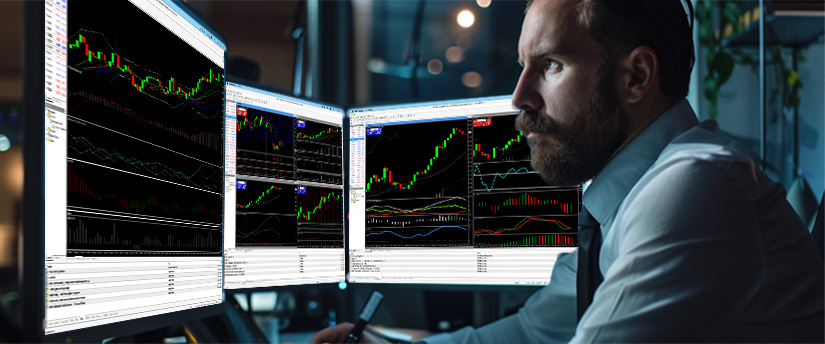
Step 4: How You Trade
Finally, you have the specific steps you take in your trading routine. Essentially, you should have a checklist, either mental or physical, that you can use to confirm whether a trade is a good idea.
This includes:
- Your setups and confirmations (news, indicators, any other analytical tools you use)
- Your preferred trading conditions
- The conditions you don’t trade in
- What invalidates setups
However, knowing which trades to enter isn’t enough for a complete routine. The most important part of your plan, the one that will allow you to be consistent, is risk management.
Here, one part pertains to how you manage your trades by going sideways via calculations. Essentially, it’s just avoiding risking too much all at once. For instance:
- Not risking more than 0.5% to 2% of capital per trade
- Having maximum daily/weekly/monthly losses
- Risk no more than 10% of your account at once
- Plan exits smartly, with stop losses and take profits in place to prevent losses and lock in good trades
The other part of risk management comes from managing your emotions. Most traders, in fact, fail not because they have a bad plan, but because their emotions keep them from following any strategy.
Have a personal trading plan as your pillar, and measure trades against how well they follow that plan rather than the specific results. Take breaks after big losses and when you feel like you’re getting emotional. Write down your performance and do weekly reviews to find weakness patterns.
Essentially, what you’re doing here is avoiding long-term negative patterns. In turn, this will allow you to become a more consistent trader and expand your skillset effectively and gradually.
DISCLAIMER: This information is not considered as investment advice or an investment recommendation, but is instead a marketing communication.