 EN
EN  FR
FR  ES
ES  JA
JA  KO
KO  PT
PT  ZH
ZH  AR
AR  FA
FA  RU
RU  NL
NL  MS
MS  VI
VI  PH
PH  TH
TH  ID
ID The Aussie, the Yuan as well as the Kiwi weakened during today’s Asian session, as the worries about the coronavirus intensified. China reported…
Read More

The Aussie, the Yuan as well as the Kiwi weakened during today’s Asian session, as the worries about the coronavirus intensified. China reported…
Read MoreRBNZ remained on hold as expected at 1.00%, yet the accompanying statement made the Kiwi jump against the USD during today’s Asian session.…
Read MoreTomorrow during the Asian session (01:00, GMT), RBNZ is to release its interest rate decision and is expected to remain on hold at +1.00%,…
Read MoreThe Australian currency strengthened substantially against the USD during today’s Asian session as hopes strengthened that the coronavirus spread may have started to slowdown. The fact that…
Read MoreThe new coronavirus remains a main concern for the markets, foremost for the deaths it claims, however also for the…
Read MoreToday during the American session (13:30, GMT) we get the US employment report for January. The forecasts are for the unemployment rate to remain…
Read More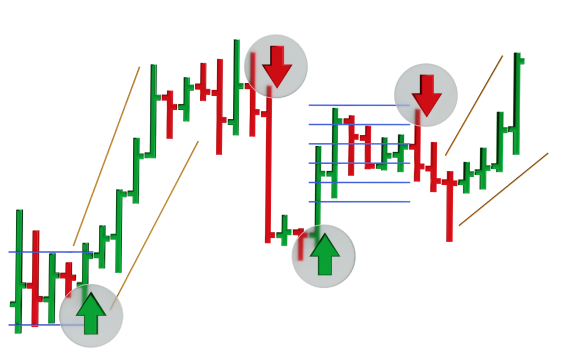
Technical Analysts believe that every relevant market factor is already counted in the instrument’s price. As such, the only thing they need to analyse is the price movement.
Prices are always expected to form and follow trends, even at random. It is more likely for a price to continue a past trend than to move erratically.
Technical Analysts base their predictions on the observation that history tends to move in circles and thus repeat itself. They attribute historic price movement to market psychology based on fear or excitement. By trying to pinpoint these emotions when analysing chart patterns and understanding movement trends, analysts aim at predicting future price movement from market sentiment.
Peter Iosif
Senior Research Analyst
Chartered Accountant (ACA), Member of ICAEW

All trading involves risk. It is possible to lose all your capital.